Alpaca Pastel: A Soft Serif Color Font for Creative Branding
Alpaca Pastel for Logo Design and Boutique Brand Identities
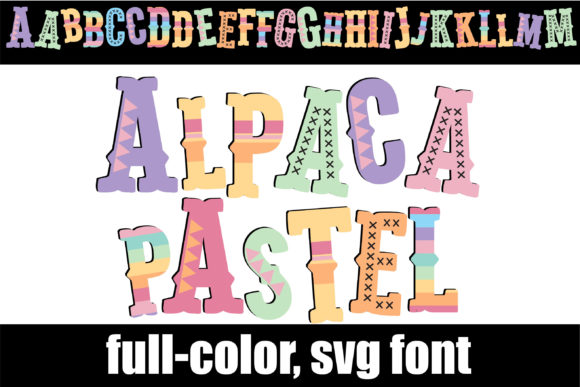
As a brand designer, I often find myself sifting through dozens of fonts before landing on the perfect one for a new identity. When I opened a fresh logo concept for a local artisan bakery, I decided to test Alpaca Pastel—a color font with a soft serif aesthetic and a pastel color palette. The toggled serif style gave the bakery’s name a playful yet refined look, especially when paired with a simple icon of a rolling pin. What stood out immediately was how the alternate letterforms added a touch of uniqueness without veering into overly decorative territory.
I compared it against other display fonts like modern sans serifs and hand-drawn scripts, but none captured the same gentle warmth. Alpaca Pastel felt just right for a brand that wanted to feel approachable, artisanal, and slightly whimsical. It worked beautifully at larger sizes on the logo and even translated well into a monogram for packaging mockups.
Using Alpaca Pastel in Packaging Design and Product Labeling
When I moved into packaging mockups, I was curious how the color font would render on a kraft paper label. The pastel tones held up surprisingly well in a muted print simulation, and the alt characters allowed me to customize the flavor names on each bag—think “Lemon Lavender” and “Rosemary Honey.”
Alpaca Pastel definitely shines in packaging design where a soft, handcrafted feel is desired. It’s not ideal for small text or technical details, but as a headline or product name font, it brings a unique blend of color and serif elegance. I appreciated the built-in alternates that let me adjust the tone of each label to match the flavor profile. It’s a great example of how a color font can do more than just look pretty—it can tell a story.
Alpaca Pastel in Social Media Graphics and Website Headers
For the bakery’s Instagram layout, I used Alpaca Pastel across a few story templates and post headers. The pastel color palette blended seamlessly with the brand’s soft pink and cream color scheme. I toggled between the standard and alternate letterforms to create subtle visual rhythm across posts, which helped with brand recognition without needing heavy design elements.
On the website header, I applied the font to the hero section using a webfont version. It loaded cleanly and maintained its color integrity across browsers. While I wouldn’t recommend it for long body text, as a headline font or accent font, it performed well. The ability to switch between alternate characters gave me flexibility in crafting microcopy and promotional banners.
Font Pairing Tips with Alpaca Pastel in Branding Projects
Pairing Alpaca Pastel with a supporting typeface is key to balancing its decorative nature. For the bakery project, I paired it with a clean, light sans serif for body text and navigation menus. This created a nice contrast between the soft, colorful logo and the functional parts of the site and packaging.
If you’re using this color font in a more formal setting, like a creative studio or editorial layout, consider a classic serif or a modern script for headings or pull quotes. The alternates in Alpaca Pastel allow for subtle variation, so you can use different versions of the same letterform across headings and subheadings to avoid repetition while maintaining brand consistency.
What to Know Before Using Alpaca Pastel in Client Work
Before locking in Alpaca Pastel for final deliverables, I always test it across file formats and platforms. I exported the bakery logo in SVG, PNG, and PDF to ensure the color glyphs rendered correctly in both print and digital contexts. It worked well in Adobe apps and modern web environments, but if you're using older software, you may run into compatibility issues.
Also, be sure to check the licensing. As a color font, Alpaca Pastel might have specific usage terms depending on whether it’s embedded in a website, used on merchandise, or included in templates. Always confirm the license covers the intended commercial use—especially for packaging, print-on-demand items, and client-facing digital assets.